

Making pizza from scratch do not have to be harder. In a matter of time, you could whip up the own delicious pizza with the handful of plain ingredients. From oven to plate, we would guide you through the complete procedure step by step. Who knows that creating the own pizza could be so easier?
1. Combined 1 C (240mL) plain Greek yogurt and 1½ C (170 g) self-rising flour.
2. Stir these ingredients into dough, then knead it for 9–11 minutes.
3. Spreaded the dough onto pizza pan and baked at 260 °C for 10 minutes.
4. Mixing together 2 tsp (9.9mL) red wine vinegar and 3 C (710mL) tomato purée.
5. Mince 2 cloves of garlic and stirring them into the tomato sauce mixture.
6. Top the pizza dough with the favorite toppings, sauce, and cheese.
7. Bake the pizza for another 7–10 minutes.
Table of Contents
Pizza Dough
• 1½ cups (170 g) of self-rising flour
• 1 c (240 mL) of Greek yogurt, plain
Makes one 12 in (30 cm) pizza crust
Pizza Sauce
• 3 to 3 1⁄2 c (710 to 830 mL) of tomato purée
• 2 cloves of minced garlic
• 2 tsp (9.9 mL) of red wine vinegar
• ½ tsp (2.5) of kosher salt
Makes 3 to 3 1⁄2 c (710 to 830 mL) of sauce
Pizza Toppings
• Grated cheese
• Pepperoni (optional)
• Sausage (optional)
• Mushrooms (optional)
• Onions (optional)
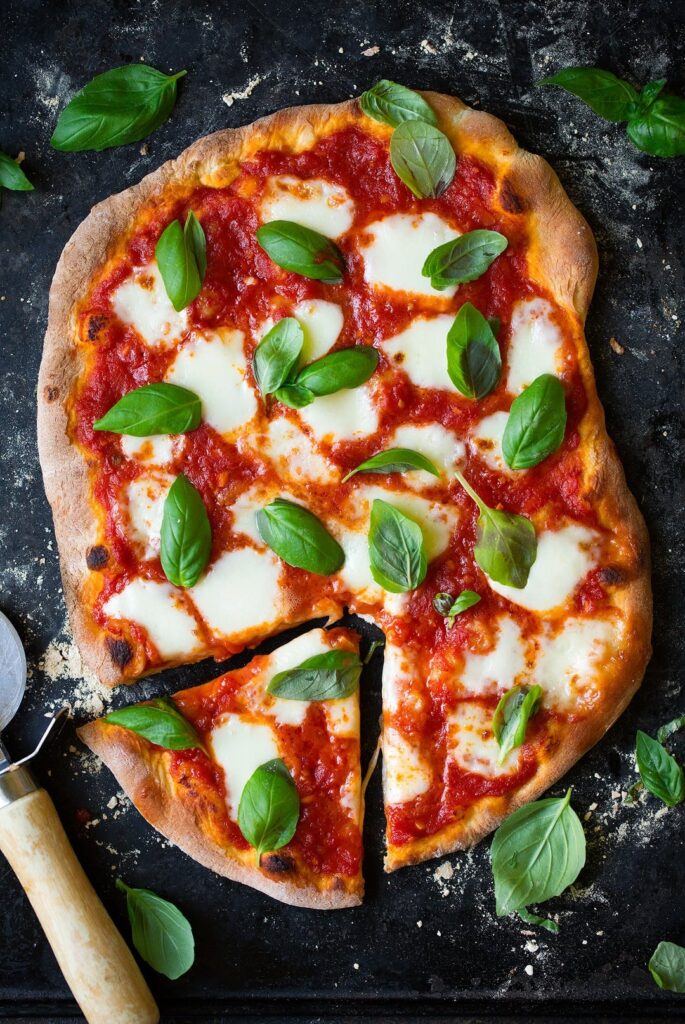
Preheat the oven to 500 °F (260 °C).
The oven required to be really hot to brown the crust. Texture was everything when it coming to the perfect pizza crust, and screaming-hot oven was essential to getting on crust deliciously crispy rather than softone.
Form the dough.
Combine plain Greek yogurt and self-rising flour to form your crust. A good ratio is 1½ cups (170 g) of self-rising flour and 1 c (240 mL) of plain Greek yogurt—it’ll create the perfect amount of dough for a 12 in (30 cm) pizza.
Spritz the pizza pan with cooking spray.
This makes the pizza easy to remove later. If you don’t have a pizza pan, improvise with another pan that’s large enough to fit a 12 in (30 cm) pizza crust, like a:
• Baking sheet that’s flipped over
• Cast iron skillet
• Baking steel
Spread the dough out on the pan.
An consistent, even dough spread makes for the even better pizza. Placing the kneaded pizza dough in the center of greased pizza pan, working it towards the edges. As you rolled and manipulated the dough, try to kept the thickness as consistent as possible. You don’t required one section to be crunchy and super thin and the other to be doughy and thick!
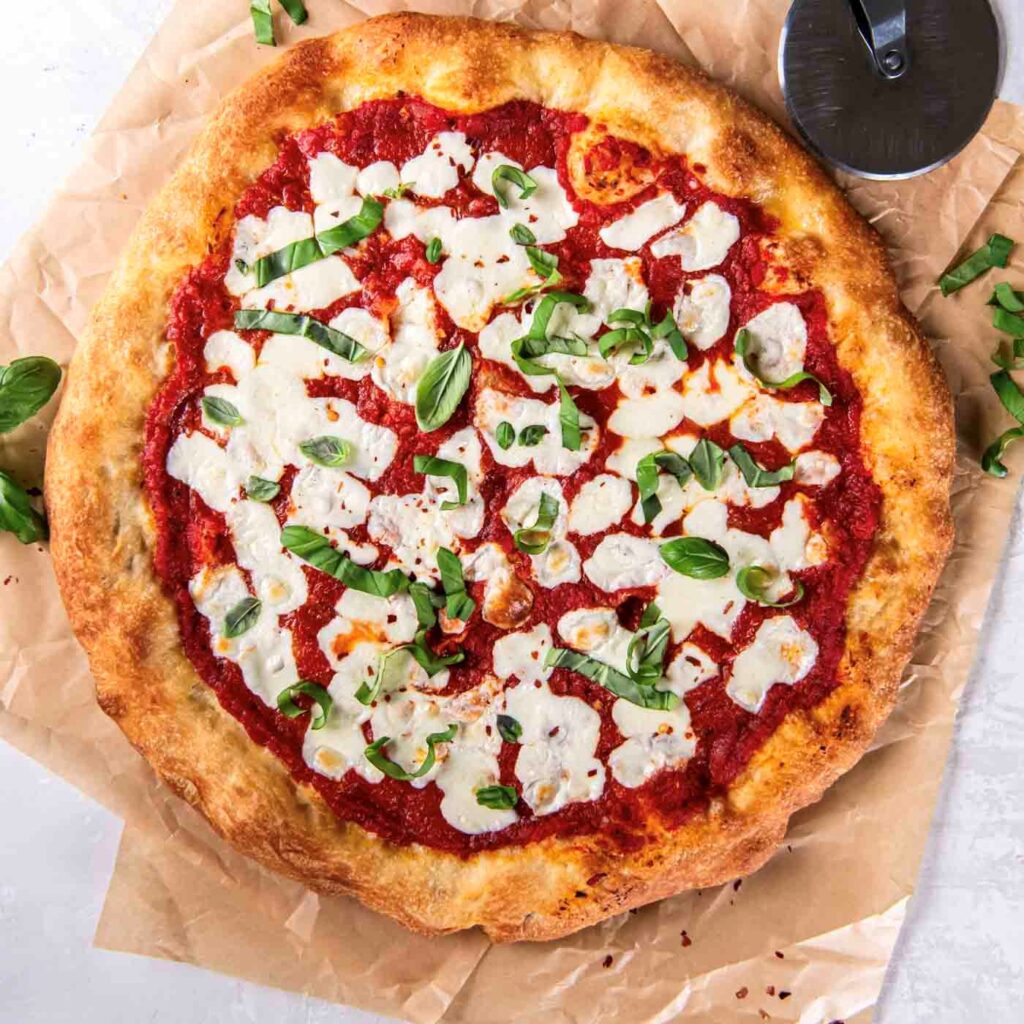
Bake just the crust for at least 10 minutes.
It supports to cook the crust before adding some sought of toppings. Slip the pizza pan in a oven and set a timer for minutes. Kept the eye on the dough as it bakes—if the dough seemed a bit undercooked, leave it in for other minute or three.
Pouring the sauce over a baked crust.
Applying the sauce in the even layer for the delicious pizza experience. Add as much sauce as you required. If you having any remaining, refrigerated it in the airtight container and consuming within the week.
Sprinkle cheese on top.
Mozzarella was the classic, but you could branch out, too. Grabbing the bag of pre-grated cheese and sprinkled as much or as tiny as you required over a surface. Cheddar, Parmesan, provolone, Monterey jack, and other cheeses could be delicious additions to the homemade pie as well, so do not be scared to experiment!
Add on the preferred toppings.
Toppings really let you make the pizza of your own. In mood for the hearty, meat-filled slice? Opt out for few of the classics, like Italian or pepperoni sausage. Preferred something lighter? Sprinkle some veggies on top, like even broccoli, spinach, and diced tomatoes. It’s tough to goes false with combos like:
• mushrooms and Onions
• feta cheese and Olives
• green peppers and Sausage
• pineapple and Ham





Leave a Reply