
Soccer, also defined as football, is the world’s most famous sport. It was playing by millions of people across different cultures and countries. Understanding the basic rules and necessary techniques was significant for anyone who needs to play or enjoyed the game better.
Table of Contents
Part 1: Basic Rules of Soccer
1. Objective of the Game
The main goal in soccer is to score out much more goals than opposing team. A goal was scored when the ball full way crosses the aim line between the goalposts and under a crossbar.
2. Number of Players
- A standard soccer match lasts 90 minutes, divided into 2 halves of 45 minutes.
- A 15-minute halftime break was given.
- Extra timeline or penalty shootouts might be utilied in knockout matches.
3. Duration of the Match
- A standard soccer match lasts 90 minutes, divided into 2 halves of 45 minutes.
- A 15-minute halftime break was given.
- Extra timeline or penalty shootouts might be utilied in knockout matches.
4. Field and Equipment
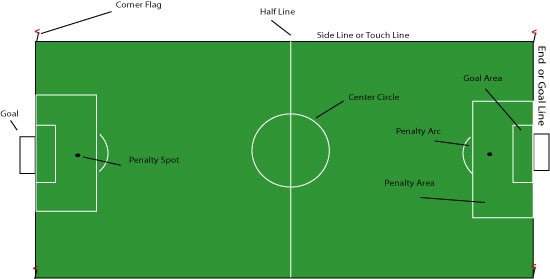
- The soccer was played on the turf field or rectangular grass.
- Essential equipment involves a cleats, soccer ball, goalposts, and shin guards.
- Players should wear in team uniforms.
5. Kick-Off and Restarting Play
- The match started with a kick-off from the center circle.
- Kick-offs were also taken after a goal was scored and at the beginning of an second half.
6. Offside Rule
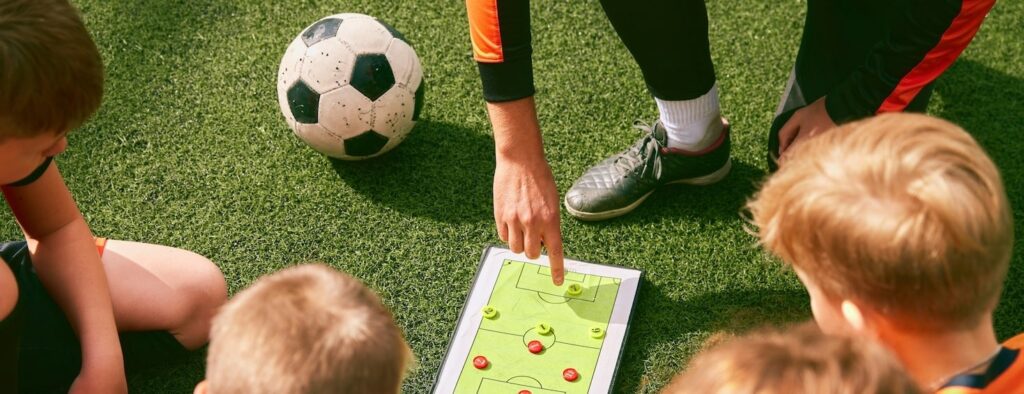
- A player was offside if they were closer to an opponent’s goal than both the ball and the second-last defender at the moment the ball was passed.
- Offside was only penalized if the player had involved in an active play.
7. Fouls and Misconduct
- Common fouls included dangerous tackles, tripping, pushing, and handball.
- Yellow cards were given for warnings.
- Red cards results in the player dismissal.
8. Free Kicks and Penalties
- Free kicks were awarded after fouls.
- A penalty kick was given when the foul happened inside penalty zone.
- Penalties were taken from a penalty spot, one-on-one with the goalkeeper.
9. Throw-Ins, Corner Kicks, and Goal Kicks
- A throw-in restarting playing when the ball crosses the sideline.
- A corner kick was awarded when the defending team touch a ball last before it crosses the aim line.
- A goal kick was given when the attacking team last touches the ball before it crosses the aim line.
Part 2: Essential Soccer Techniques
10. Dribbling
Dribbling is the ability to control the ball while moving.
- Usage the inside and outside of a foot.
- Keep the ball close to maintaining control.
- Help up in beat defenders and creating scoring chances.
11. Passing
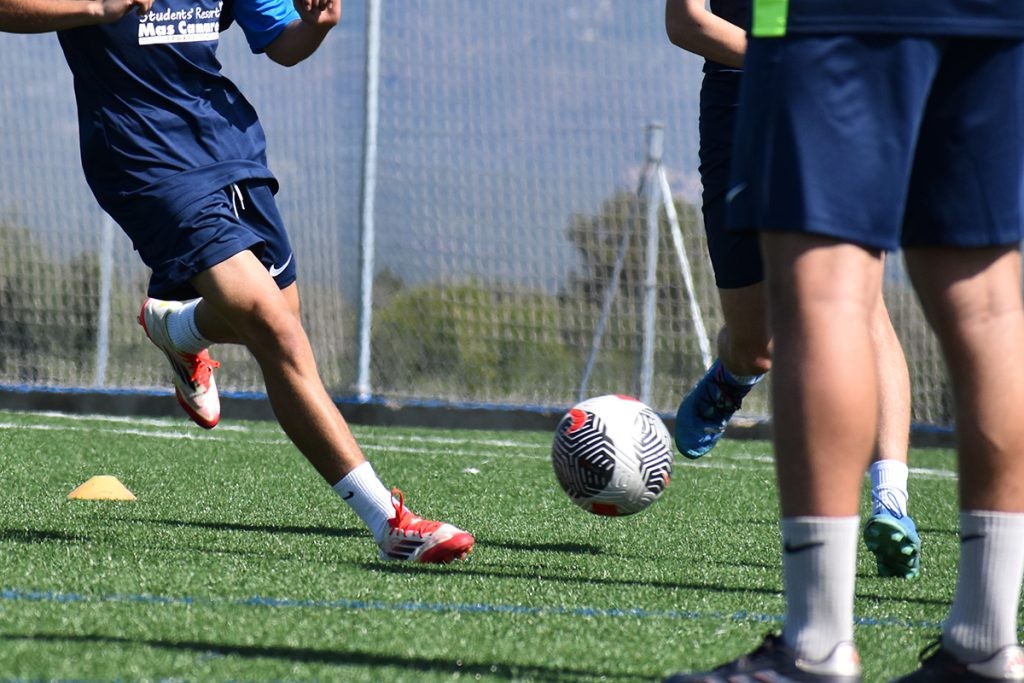
Passing moves the ball between a teammates.
- Small passes improve possession.
- Longer passes switch play or creating attacks.
- Accurating passing was key to the team success.
12. Shooting
Shooting is used to score goals.
- Usage the instep for powerful shots.
- Usage the inside of the foot for accurate placement.
- Focus for corners of the aim to beat a goalkeeper.
13. Ball Control (First Touch)
Good first touch up supports players receiving the ball smoothly.
- Cushion the ball utilizing the chest, foot, and thigh.
- Kept the ball under control and permit fast decisions.
14. Heading
Heading includes utilized the head to shoot or pass the ball.
- Strike the ball with a forehead.
- Keep eyes openened and neck firm.
- Used during defensive clearances, crosses, and corners.
15. Tackling
Tackling was the defensive technique utilized to regain possession.
- Standing tackle was safer and much more controlled.
- Sliding tackle was used when necessary and needed best timing.
- Bad tackles might result in fouls.
16. Positioning and Movement
Smart positioning improved performance.
- Staying aware of opponents and teammates.
- Move into opened spaces.
- Good movement creating scoring opportunities and passing.
17. Goalkeeping Techniques
Goalkeepers having special responsibilities.
- Shot catching and stopping
- Diving techniques
- Distributing the ball to the teammates
- Communication with the defenders
18. Fitness and Teamwork
Soccer requires higher teamwork and stamina.
- Players running continuously throughout match.
- Coordination and Communication were essential for success.
- Teamwork often matters much more than the individual skill.





Leave a Reply