

Soccer became the world’s most popular sport through a unique set of historical, social, and economic factors that allowed it to spread more effectively than any other game.
Table of Contents
Key Factors in the Global Dominance of Soccer
1. Cultural Exchange: In these new lands, local populations readily adopted the sport. For instance, British expatriates in Argentina and Brazil founded few of the foremost football clubs, which fast way became cultural institutions led by the locals.
2. Establishment of Institutions: The British helped establish the first formal clubs and associations in places like Switzerland, Germany, and Italy, laying the groundwork for organized domestic leagues.
3. Codification and Standardized Rules
Before the mid-19th century, Soccer was chaotic mix of local rules. Standardization was critical step.
- Fair Play: Uniform rules certains that when the team from London played the team from Sheffield, or the team from England played one from Scotland, everyone knows the game they was playing.
4. The Rise of Professionalism
The social context of Industrial Revolution played a role in sport’s development.
- Working-Class Appeal: The shift in towards professional football allowed working-class men to earn the living playing the sport. This integrated the game deep way into the social fabric of industrial towns and cities, provide the path to social mobility.
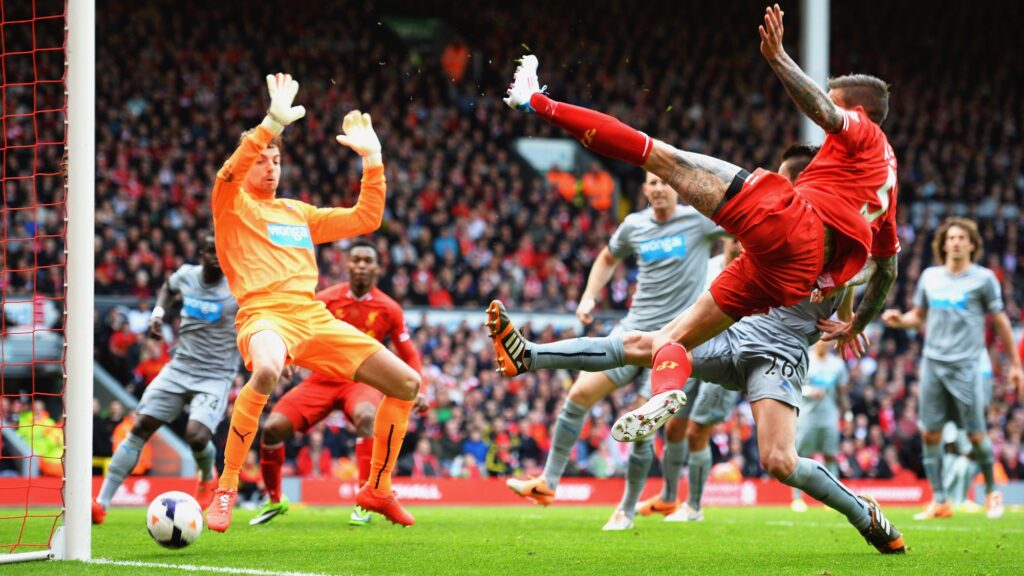
Creating Local Identity
Professional clubs became focal points for community pride and identity, with intense local rivalries (e.g., Liverpool vs. Everton, Celtic vs. Rangers) cementing the game’s importance in everyday life.
5. International Governance and Competitions
The move from the British pastime to global phenomenon needed international coordination.
FIFA’s Foundation
In 1904,The Fédération Internationale de Football Association (FIFA) was founded in Italy. It provided the single, non-British governing body to oversee a global expansion of game.
The World Cup:
The introduction of the foremost FIFA World Cup in 1930 was the masterstroke. This quadrennial tournament developed the ultimate international spectacle, where nations could compete for the global glory.
Fostering National Rivalries:
The World Cup and another regional tournaments (such as the European Championships and Copa América) amplify interest by tapping into the national pride and foster intenseful international rivalries, captivated audiences worldwide.
6. Media, Accessibility, and Cultural Integration
Modern communication had been the full ingredient in maintain and expand soccer’s lead.
Radio and Television:
Earlier radio broadcasts and later television coverage brought matches into sweet homes, making superstars into the global icons and specific clubs into the international brands.
Global Broadcasting Deals.
Today, top most leagues like the English Premier League, La Liga, and Serie A were broadcast in virtually every country on earth, time zones and transcending language.

Deep Cultural Roots:
In numerous countries (like Brazil, Argentina, and huger chunks of Europe and Africa), soccer was not just the sport; it was the integral chunk of life, conversation, and national identity, which pass on the passion from generation to generation.
Key Factors in its Rise:
Simplicity & Accessibility:
The basic idea (kick ball into aim) is easier to grasp, needed tiny gear (a ball can be anything) and could be played almost anywhere (streets, beaches, fields).
Cultural Integration:
It became a sport for a masses, integrated into working-class life, with bigger crowds attending earlier matches, foster organization identity.
Global Governing Body (FIFA):
Founded in 1904, FIFA organize international competitions, most possibly the FIFA World Cup, which became the massive global spectacle.
Universal Language:
It connects persons across linguistic, national, and socio-economic divides, promote solidarity and sharing passion.
Media & Commercialization
Global media coverage, massive player transfers (like Neymar), and bet culture amplified its financial and reach power, increase out its appeal.
Historical Milestones:
- Ancient Roots: Numerous ball games existed globally, involves ancient Mesoamerican versions.
- Modern Codification: The Football Association (FA) in England formalizing rules in 1863, developing modern football.
- Early Leagues: England and Scotland forming the foremost leagues in 1890s, spread organized play.
- World Cup Era: The foremost World Cup in 1930 solidified its international dominance, with billions watching finals today.





Leave a Reply